The AI Act already applies: you must disclose if the agent talks to people
From 2 August 2026 Article 50 is enforceable. If an agent talks to people in the EU, those people have to know.

From 2 August 2026 the transparency duties in Article 50 of the AI Act are enforceable. The AI Act is Regulation (EU) 2024/1689 on artificial intelligence.
The rule is concrete. If your agent talks to people in the European Union, those people have to know they are talking to an AI system. If you publish AI-generated content they see, you also have to mark it when the rule says so.
The high-risk regime does not start now. The model's technical stamp does not cover your interface either.
This is not legal advice. It is what the regulation and the Commission say, translated into product work.
What changed on 2 August
According to the Commission's AI Act Service Desk FAQs, the transparency rules for certain systems apply from that date. Supervision of general-purpose models also applies. A general-purpose model is a model trained at scale that can be adapted to many tasks.
Annex III high-risk systems do not enter now. Those are uses such as employment or credit. That date is 2 December 2027. Systems embedded in regulated products wait until 2 August 2028.
For most copilots and agents, what applies now is to inform, to mark when required, and to keep a systems inventory.
There is one exception. Providers of systems already on the market before 2 August 2026 have until 2 December 2026 for the marking and detection in Article 50(2). Telling people they are interacting with AI (Article 50(1)) does not wait for that extension.
What Article 50 requires
Article 50 is not a generic notice that the product "uses AI". It splits four cases.
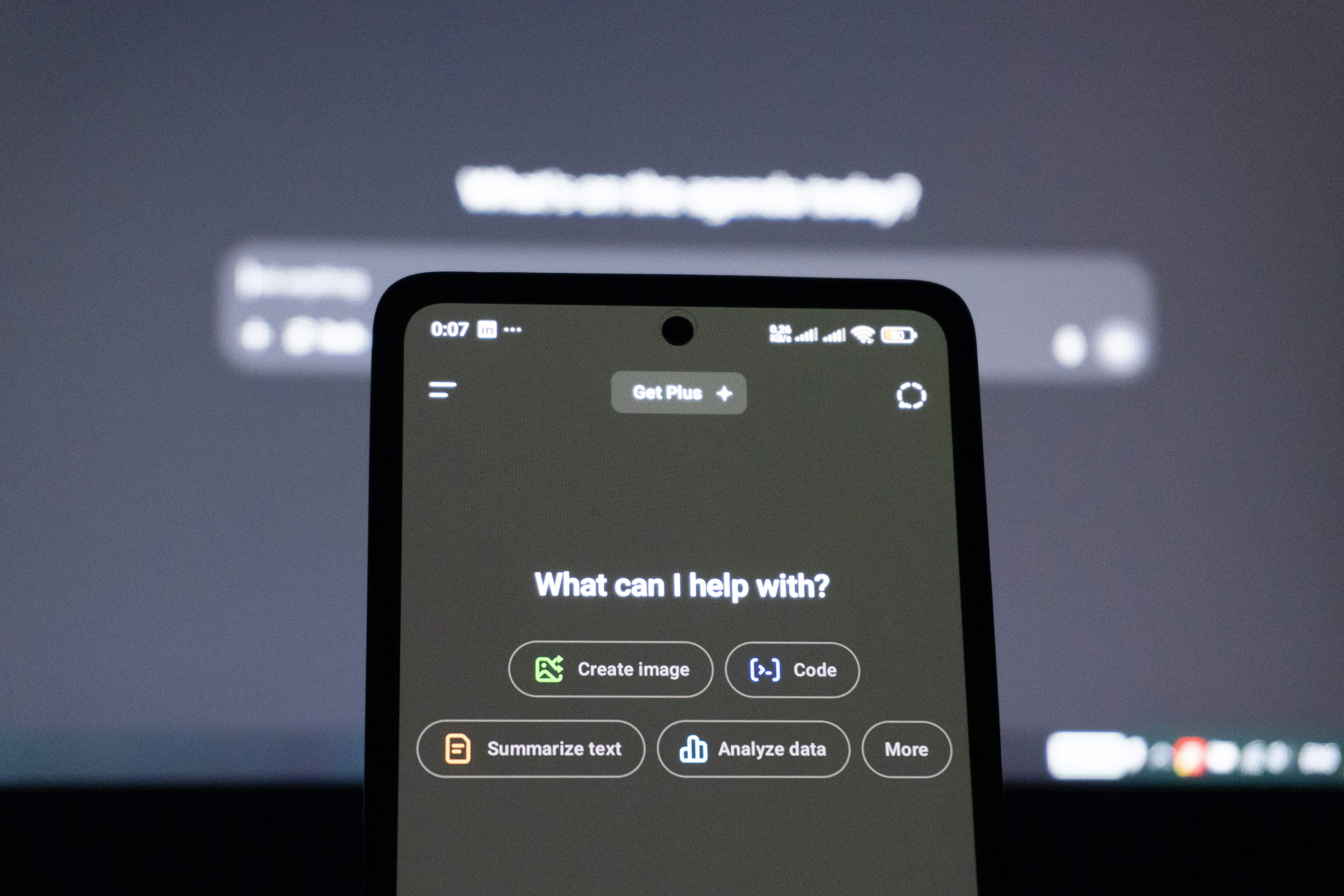
If the system talks to people (Article 50(1)). The provider is whoever places the system on the market. They must design it so people know they are talking to AI. There is an exception: if it is obvious to a reasonably well-informed person in that context. A chat that pretends to be a human in support is not obvious. A button that says "assistant" and a first message that names it usually is. The notice has to be in the first interaction. Terms and conditions alone are not enough.
If the system generates synthetic content (Article 50(2)). The provider must mark outputs in a machine-detectable format, where technically feasible. That is the model stamp. It is work for whoever places the model or the system on the market.
If you publish deepfakes or AI-generated text of public interest (Article 50(4)). A deepfake is image, audio, or video that looks authentic and was generated or manipulated with AI. Whoever puts it into circulation must say it is artificial. There are exceptions for art, satire, or text with human review and an editorial owner.
If you use emotion recognition or biometric categorisation (Article 50(3)). You must inform the people exposed to it. That should not be on in a support agent. If it is, the problem is not the interface copy. It is the scope of the system.
The Commission says "agent" is not a separate legal category. If the system interacts with people or generates content, Article 50 applies.
Article 50 does not cover identity, permissions, a cost limit, or traces. That is architecture. We cover it in how you run an agent beyond the model.
The model stamp does not cover your interface
GrowBy separates the model provider from the company that uses it. That split is right.
If you wrap a model and the end user talks to your agent, you are usually the provider of that system. Anthropic or OpenAI is the model provider. Technical marking of the output is, in large part, their job. Telling the user they are talking to AI, on your screen, is yours.
A mark in the file does not replace a message in the chat. It also does not replace knowing which tools that agent can run on data about a person in Europe.
Marking that it is AI and limiting what the agent writes in the CRM are two different jobs. The second is the layer we build in Product.
Does this apply if your company is not in the EU?
Yes, if you place the system on the Union market or use it on people there. A company in Latin America or the United States that runs agents on people in Spain, Germany, or France does not fall outside because the company is incorporated elsewhere.
If you have no users, data, or offer in the EU, Article 50 is not your deadline this month. The inventory still helps. The next framework, local or from an enterprise customer, will ask for the same list.
You do not need to stop the agent. You do need to stop selling as human what is a system.
What fine does Article 99 set
For a breach of the Article 50 transparency duties, Article 99 provides for fines of up to 15 million euros or 3% of worldwide annual turnover for the previous financial year. The higher figure applies. For SMEs, Article 99(6) applies the lower of the two.
The problem we see before any fine is simpler. Nobody has the list of systems. There is a support copilot, a ticket summary, an agent that writes drafts, and three tools in marketing. Without that list you cannot decide what to disclose, what is obvious, and what should not be in production.
What your company can do today
You do not need to wait for a local rule. Four steps, in this order.
Identify the AI systems in use
List the support chat, summaries, drafts, and automations that touch customer data. If it is not on that list, it is not governed.
Review the first interaction with people
Check whether the user knows, at that moment, that they are talking to an AI system. A chat that pretends to be human is not obvious. A notice only in the terms is not either.
Sort the synthetic content the company publishes
Define which text, image, audio, or video must be marked. Define who reviews it before it goes out. Define what stays internal. The model stamp does not replace that rule.
Train whoever operates the agent
Document the tools, the write limits, and the internal rules. Name one person who owns it when the model or the notice changes. A Slack channel does not replace that person.
Also document which tool each team uses and for which process. With that list you can decide what to disclose, what is obvious, and what should not be in production.
Start with the systems list
Article 50 is already enforceable. Many companies still do not have the list of systems they operate.
Make that list: which agents you have, who you must inform, and who owns the answer. The high-risk regime and the fundamental rights impact assessment (FRIA: an analysis of how the system affects rights such as privacy) have another date. Mixing the two dates spends legal budget in the wrong place.


Turn your SaaS AI-Native
Get a free trial just by signing up

Latest posts